

How visual art benefits your life
November 20, 2025, 5:00:00 PM UTC

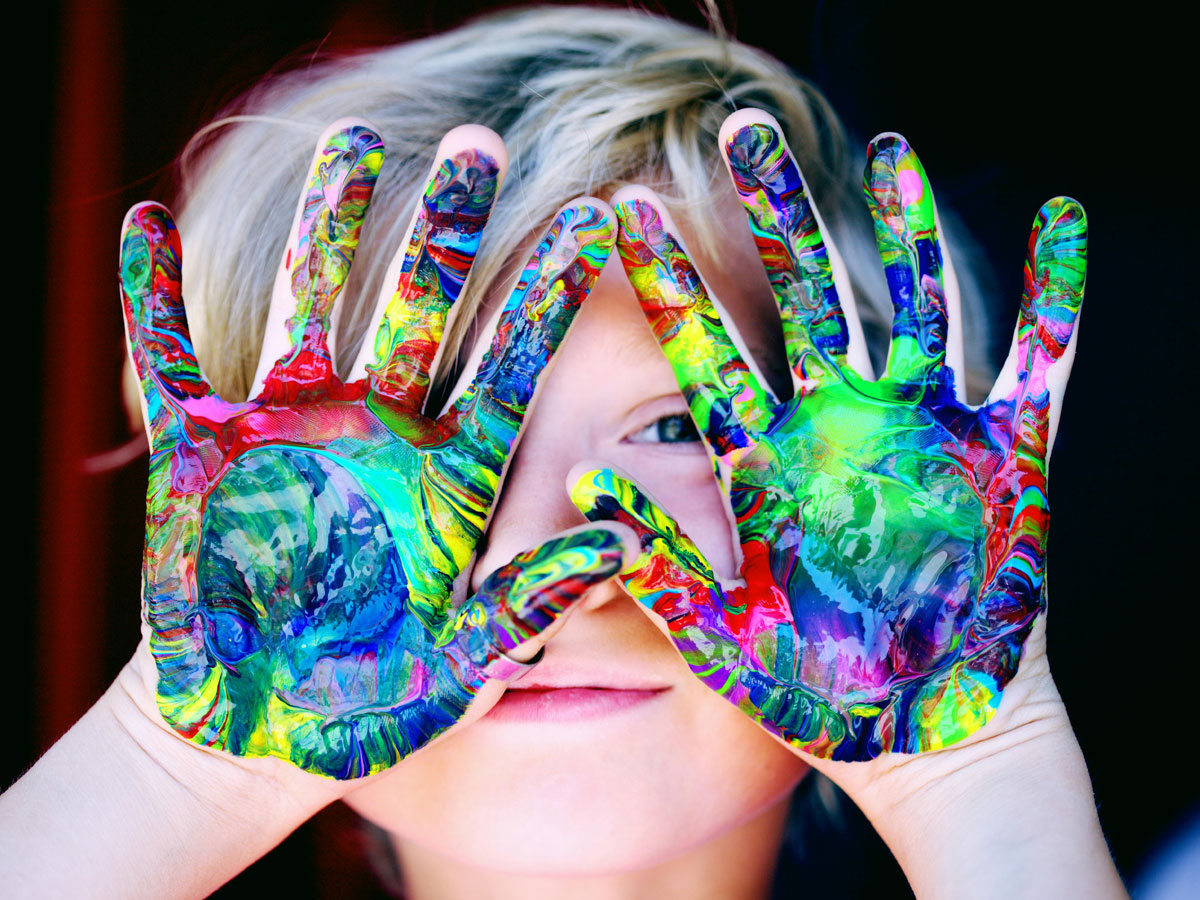
Interacting with visual art can improve someones life. The benefits on emotional well-being, brain development, and social engagement, provide improvement in quality of life. Emotionally, visual art serves as a powerful method of expression and self-reflection. When people engage with art, whether by creating it or observing it, they often experience a deep emotional connection. This connection allows for the communication of feelings that might be difficult to express verbally. Looking a painting can inspire a range of emotions, from joy and calmness to sorrow and contemplation. These emotional engagement can be therapeutic, offering a safe space for to process feelings and experiences. Creating visual art allows everyone to put their emotions into something physical and meaningful, providing a sense of accomplishment and relief from stress.
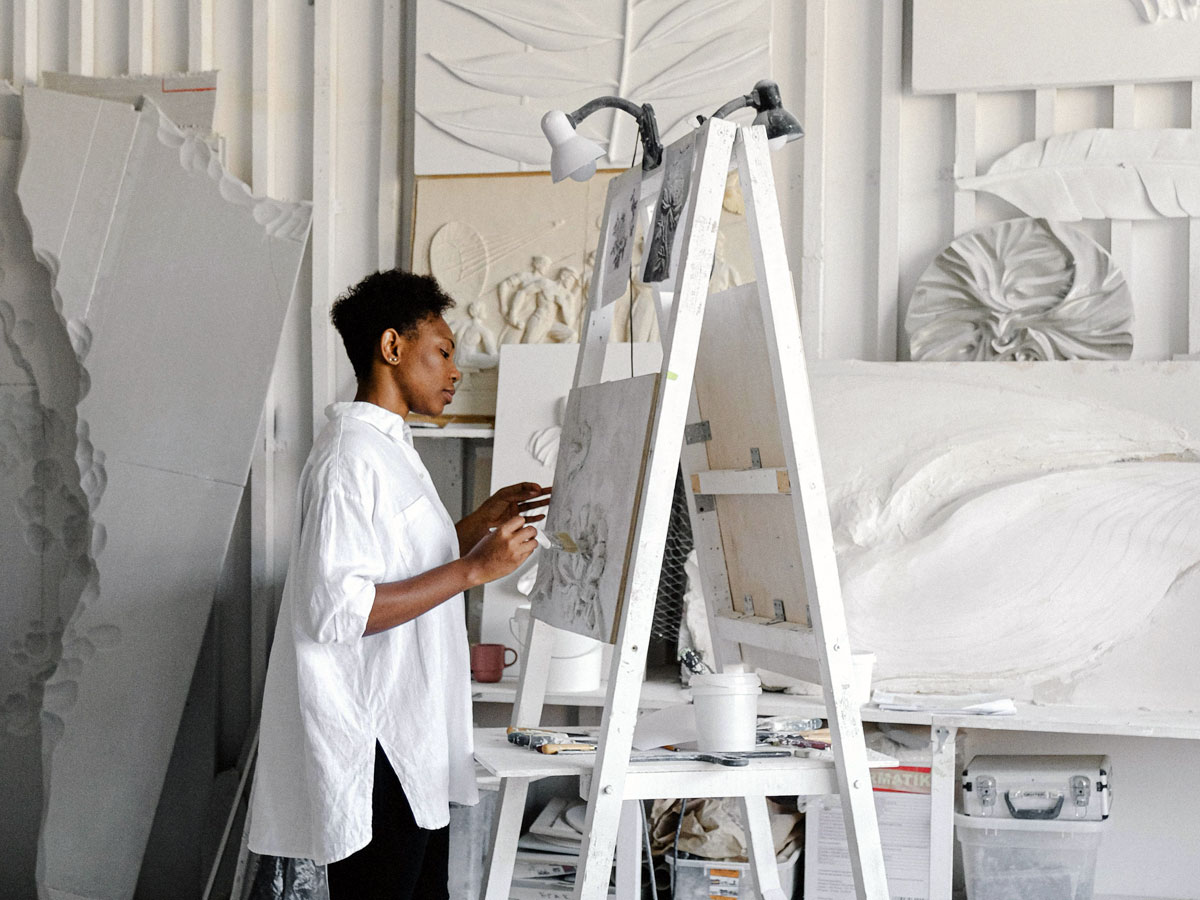
The process of engaging with visual art also develops brain functions. Analyzing and interpreting art requires critical thinking and problem-solving skills. When viewing a piece of art elements such as composition, colour, texture, and symbolism. This process encourages a deeper level of thinking and reflection. For example, interpreting an abstract painting involves moving beyond surface-level observations to explore the underlying themes and messages. This kind of analysis inspires brain flexibility and improves the ability to think creatively. Furthermore, the act of creating visual art stimulates brain activity, the brain's ability to change by making new connections. This is particularly beneficial for improving memory, attention, and spatial awareness. Doing artistic activities can improve precise hand movements and hand-eye coordination. For instance, the precision required in drawing or painting touches these physical abilities while simultaneously engaging the mind in creative thought processes.
Socially, visual art can act as a bridge, inspiring connections and building community. Art exhibitions, gallery openings, and community art projects provide opportunities for social interaction and cultural exchange. These events bring people together around a shared interest, promoting dialogue and collaboration. Discussing art with others can deepen understanding and appreciation, as individuals share their interpretations and perspectives. This exchange of ideas can lead to greater empathy and cultural awareness, as art often reflects diverse experiences and viewpoints. Art also plays a crucial role in education, contributing to the development of students. Integrating visual art into the curriculum can enhance academic performance by stimulating creativity and critical thinking. Studies have shown that students who participate in art education tend to perform better in other academic subjects. Art education encourages students to think outside the box, experiment with different ideas, and express themselves in unique ways. These skills are valuable not only in academic settings but also in personal and professional life.
visual art can also serve as a therapeutic tool, particularly in art therapy. Art therapy uses the creative process to help individuals explore emotions, resolve conflicts, and develop interpersonal skills. It is especially beneficial for those who find it difficult to communicate through words, such as children or individuals with certain mental health conditions. Creating art in a therapeutic setting allows individuals to express themselves in a non-verbal manner, this gives understanding into their thoughts and feelings. This can lead to improved mental health outcomes, including reduced anxiety and depression, increased self-esteem, and increased emotional strength. Therefore, interacting with visual art has many benefits that can significantly enhance an individual's life. From emotional expression and brain development to social connection and therapeutic healing, visual art provides a rich pathway for personal growth and well-being. By incorporating visual art into daily life, everyone gets to experience a deeper connection to themselves and the world around them.