


The number one factor in World Today
August 28, 2025, 5:00:00 PM UTC
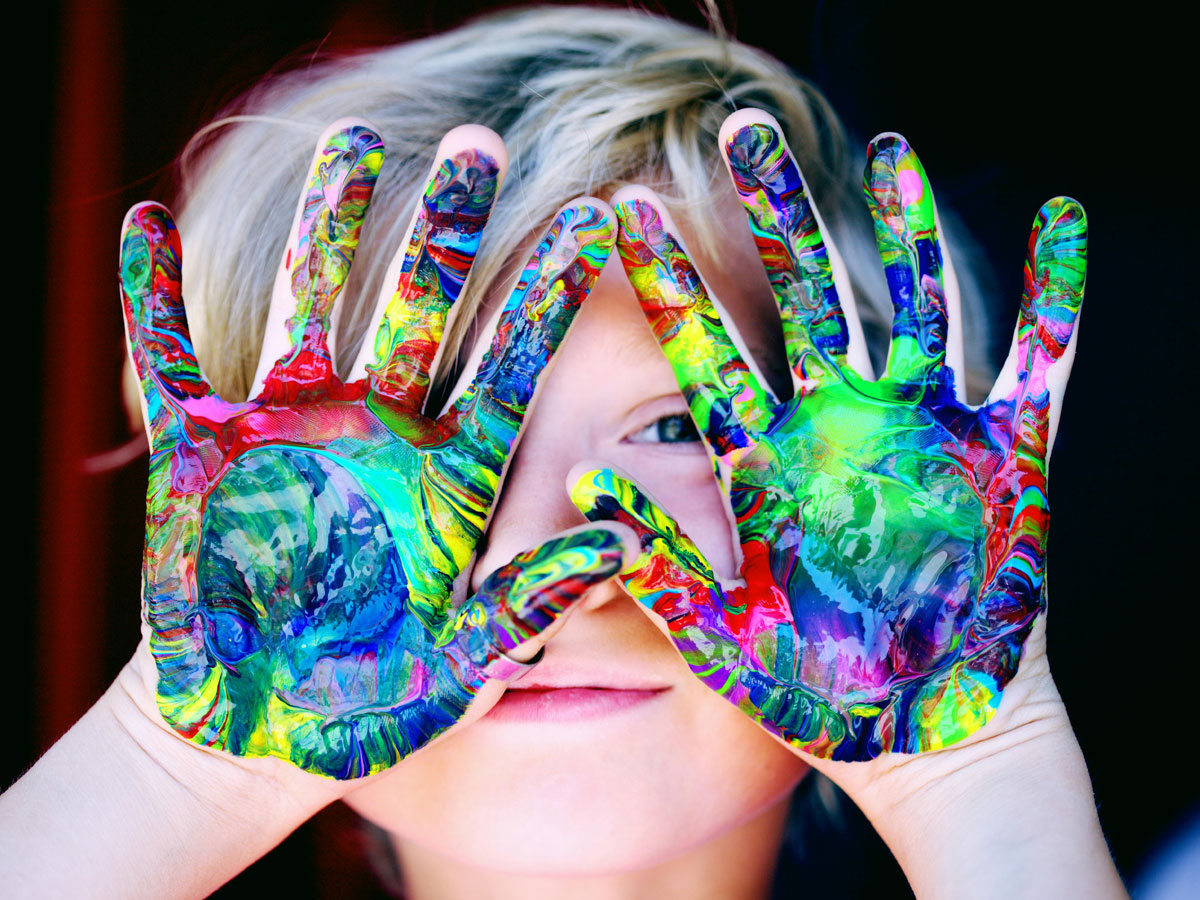
In a rapidly evolving world, creativity stands as a beacon of innovation and progress. It's the lifeblood of invention, the foundation of culture, and a key driver of personal and professional success. It is more than just the ability to think outside the box; it's a vital skill that shapes our world in countless ways. Whether you're an artist, an entrepreneur, or someone navigating everyday life, creativity is essential.
At the heart of every groundbreaking innovation lies innovation. The world has seen remarkable advancements in technology, science, and the arts, all thanks to creative minds daring to explore uncharted territories. Our ability to imagine what doesn’t yet exist leads to inventions and solutions that propel society forward. From the smartphone in your pocket to the renewable energy sources powering our cities, every innovation starts with a creative idea. In business, creativity is the driving force behind product development, marketing strategies, and operational efficiencies that differentiate companies from their competitors.
In both personal and professional settings, imagination plays a critical role in effective problem-solving. Life is full of challenges, some of which are complex and multifaceted. Traditional approaches may not always yield the desired outcomes, especially in a world that is constantly changing. This is where creativity comes in. By thinking creatively, individuals can approach problems from different angles, uncovering unique solutions that others might overlook. Whether it's finding a way to meet a tight deadline at work or discovering a new hobby, creativity enables us to adapt and thrive.
On a more personal level, creativity is a powerful tool for self-expression and personal growth. Engaging in creative activities like writing, painting, or even cooking allows people to express their thoughts, emotions, and ideas in ways that words alone might not convey. This form of expression is not only therapeutic but also fosters a deeper understanding of oneself. Through creativity, we can explore new aspects of our personalities, push our boundaries, and discover talents we never knew we had. Moreover, the creative process often involves trial and error, teaching us resilience and perseverance—qualities that are invaluable in all areas of life.
Creativity is also the cornerstone of cultural and social development. Art, music, literature, and theater—all of these cultural expressions are products of creative minds and play a crucial role in shaping societies. They reflect our shared experiences, values, and beliefs, and help to foster a sense of community. Creativity enables us to tell stories, preserve history, and imagine futures that are more inclusive and just. In times of social change, it is often creative works that inspire movements and give voice to those who need it most. As such, creativity is not just a personal asset but a collective one that can drive social progress.
In the workplace, creativity is increasingly recognized as a key ingredient for success. Companies that encourage creative thinking are often more agile, able to adapt to market changes, and more likely to come up with innovative solutions that keep them ahead of the competition. Creative employees bring fresh perspectives to the table, which can lead to more effective teamwork and problem-solving. Moreover, a creative work environment tends to be more engaging and fulfilling for employees, leading to higher job satisfaction and retention rates. In today’s knowledge-based economy, where ideas are as valuable as products, creativity is a critical asset.
Engaging in creative activities is also beneficial for mental health. Numerous studies have shown that creative expression can reduce stress, improve mood, and enhance overall well-being. Activities like drawing, playing music, or writing can serve as outlets for emotions and stress, providing a healthy way to cope with life’s challenges. Creativity also encourages mindfulness, as it often requires concentration and focus, which can help individuals stay present and centered. In a world where mental health issues are on the rise, creativity offers a powerful means of maintaining emotional balance and mental resilience.
Despite its importance, creativity is often overlooked or stifled in everyday life. However, nurturing creativity doesn't require a special talent or background in the arts. It can be as simple as trying new things, embracing curiosity, or making time for hobbies that spark joy. Surrounding yourself with diverse perspectives, staying open to new experiences, and allowing yourself to take risks can all enhance your creative abilities. Whether you’re brainstorming ideas for a new project, solving a tricky problem, or simply looking for a fresh perspective on life, creativity is a skill that can be cultivated and developed over time.
All things considered, creativity is far more than an artistic pursuit; it’s a vital component of innovation, problem-solving, personal growth, cultural development, workplace success, and mental health. By embracing creativity, we open ourselves up to a world of possibilities, both personally and professionally. In a world that is constantly evolving, creativity provides the tools we need to adapt, innovate, and thrive. Whether you're looking to advance in your career, improve your personal life, or contribute to societal progress, fostering creativity is key to unlocking your full potential. So, don’t be afraid to think creatively and explore the boundless possibilities that creativity offers.